In recent years, social commerce has revolutionized the way Chinese consumers shop online. This innovative blend of social media and e-commerce has created a unique ecosystem where shopping is not just a transaction, but a social experience. As brands and marketers seek to capitalize on this trend, understanding the intricacies of social commerce in China becomes crucial for success in this dynamic market.
The Rise of Social Commerce in China
China’s social commerce market has experienced explosive growth, with sales reaching an estimated $363 billion in 2021 (source: eMarketer, 2022). This phenomenal expansion can be attributed to several factors, including high smartphone penetration, advanced mobile payment systems, and a culture of social sharing. Platforms like WeChat, Xiaohongshu, and Douyin have seamlessly integrated shopping features into their social environments, creating a frictionless path from discovery to purchase.
Key Players in the Chinese Social Commerce Landscape
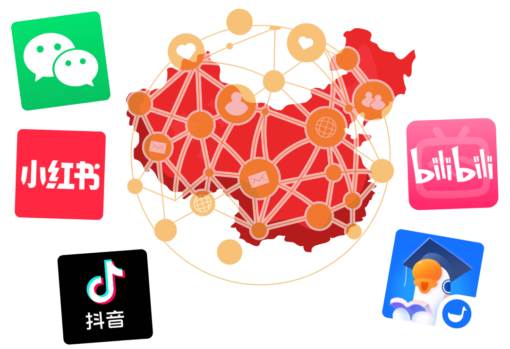
While numerous platforms contribute to China’s social commerce ecosystem, three major players stand out: WeChat, Xiaohongshu, and Douyin. Each platform offers unique features and caters to different demographics:
- WeChat: With over 1 billion monthly active users, WeChat’s mini-programs have become a powerful tool for brands to create immersive shopping experiences.
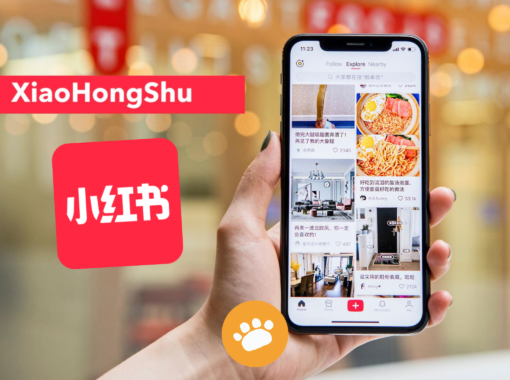
- Xiaohongshu: Known as “Little Red Book,” this platform combines product reviews, lifestyle content, and e-commerce, particularly popular among young, urban women.
- Douyin: The Chinese version of TikTok has leveraged short-form video content to drive impulse purchases and brand awareness.
Understanding the strengths and user bases of these platforms is essential for crafting effective social commerce strategies.
The Power of User-Generated Content in Social Commerce
One of the defining features of social commerce in China is the heavy reliance on user-generated content (UGC). Chinese consumers place great trust in peer recommendations and authentic reviews. This has led to the rise of Key Opinion Consumers (KOCs), everyday users who share their genuine experiences with products. Brands that successfully leverage UGC and collaborate with KOCs can significantly boost their credibility and sales.
Live Streaming: The New Frontier of Social Commerce
Live streaming has emerged as a game-changing feature in China’s social commerce landscape. Platforms like Taobao Live and Douyin have turned live streaming into a powerful sales channel, where hosts can demonstrate products in real-time and interact directly with viewers. The immediacy and interactivity of live streaming create a sense of urgency and authenticity that drives conversions. In 2020, live streaming e-commerce transactions in China reached $171 billion (source: iResearch, 2021), highlighting its significant impact on the market.
Challenges and Opportunities for Brands
While social commerce presents immense opportunities, it also comes with unique challenges. Brands must navigate a complex ecosystem of platforms, influencers, and rapidly changing consumer preferences. Success in this space requires:
- Authentic storytelling that resonates with Chinese consumers
- Agile marketing strategies that can adapt to platform algorithm changes
- Strong partnerships with influencers and KOCs
- Seamless integration of social media, content creation, and e-commerce capabilities
Brands that can overcome these challenges stand to gain significant market share and build lasting relationships with Chinese consumers.
The Future of Social Commerce in China
As technology continues to evolve, so too will social commerce in China. Emerging trends such as virtual reality shopping experiences, AI-powered personalization, and blockchain-based loyalty programs are set to further transform the landscape. Brands and marketers must stay ahead of these innovations to remain competitive in this rapidly changing market.
Conclusion
Social commerce in China represents a paradigm shift in the way consumers discover, evaluate, and purchase products. Its success has redefined the boundaries between social media, content creation, and e-commerce. For brands looking to succeed in the Chinese market, understanding and leveraging social commerce is not just an option—it’s a necessity. However, navigating this complex ecosystem requires expertise, cultural understanding, and innovative strategies. This is where specialized agencies like 小熊猫 Media can provide invaluable support, helping brands to craft tailored social commerce strategies that resonate with Chinese consumers and drive real business results.